
Field Guide - One Arrow
Why slowing your practice down can make you a better archer.

“If you’re anticipating the release, repetition strengthens target panic.”
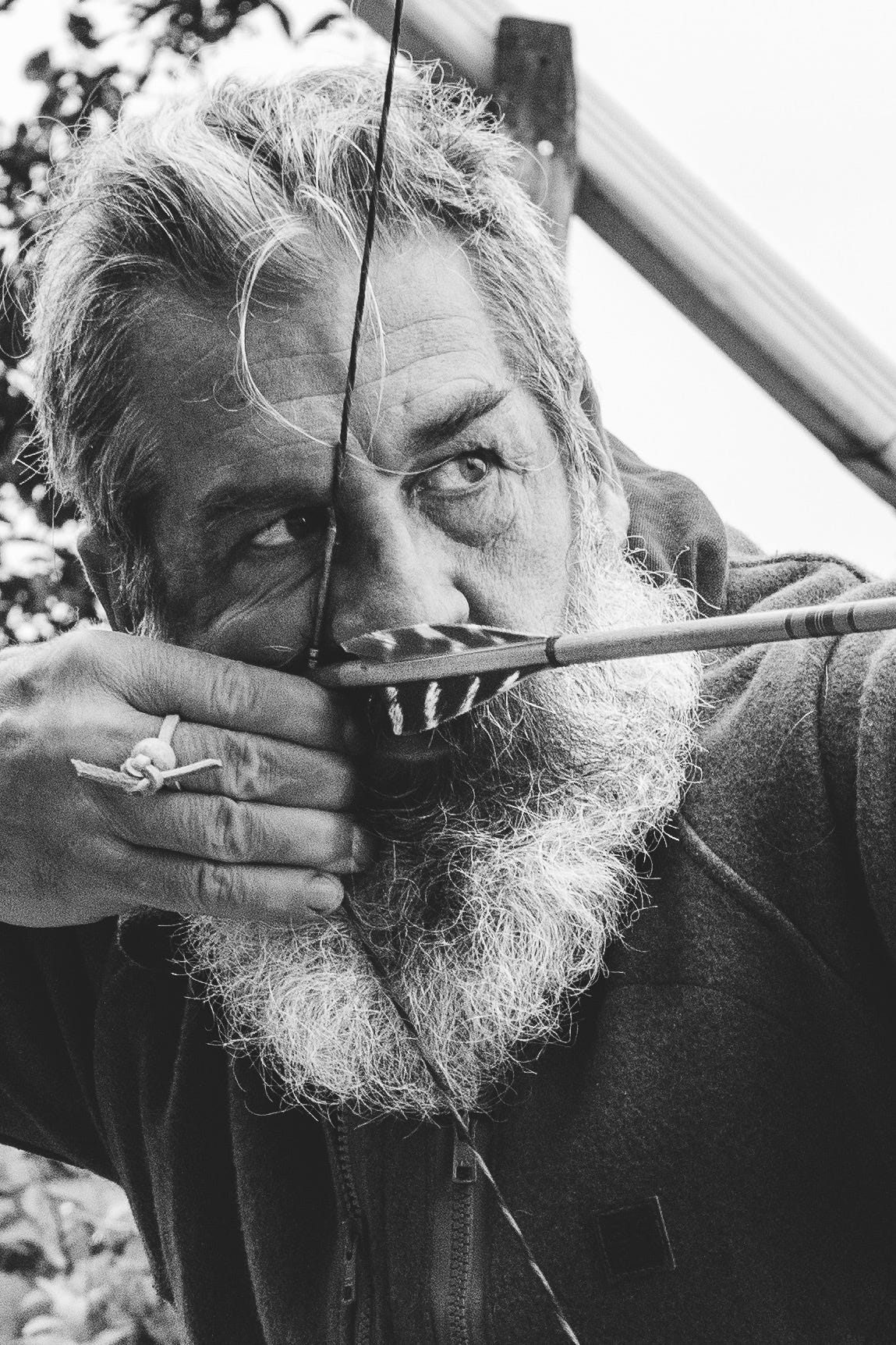
Most of us are taught that improvement comes from repetition.
More arrows. More casts. More shots.
And often that’s true. Repetition is how we build familiarity. It’s how awkward movements become natural.
But repetition has a flaw.
It doesn’t distinguish between good habits and bad ones.
If your grip is inconsistent, repetition reinforces inconsistency. If you’re anticipating the release, repetition strengthens target panic. If your mind drifts into autopilot, you’re simply getting better at not paying attention.
I’ve found there are seasons when the opposite approach produces better results.
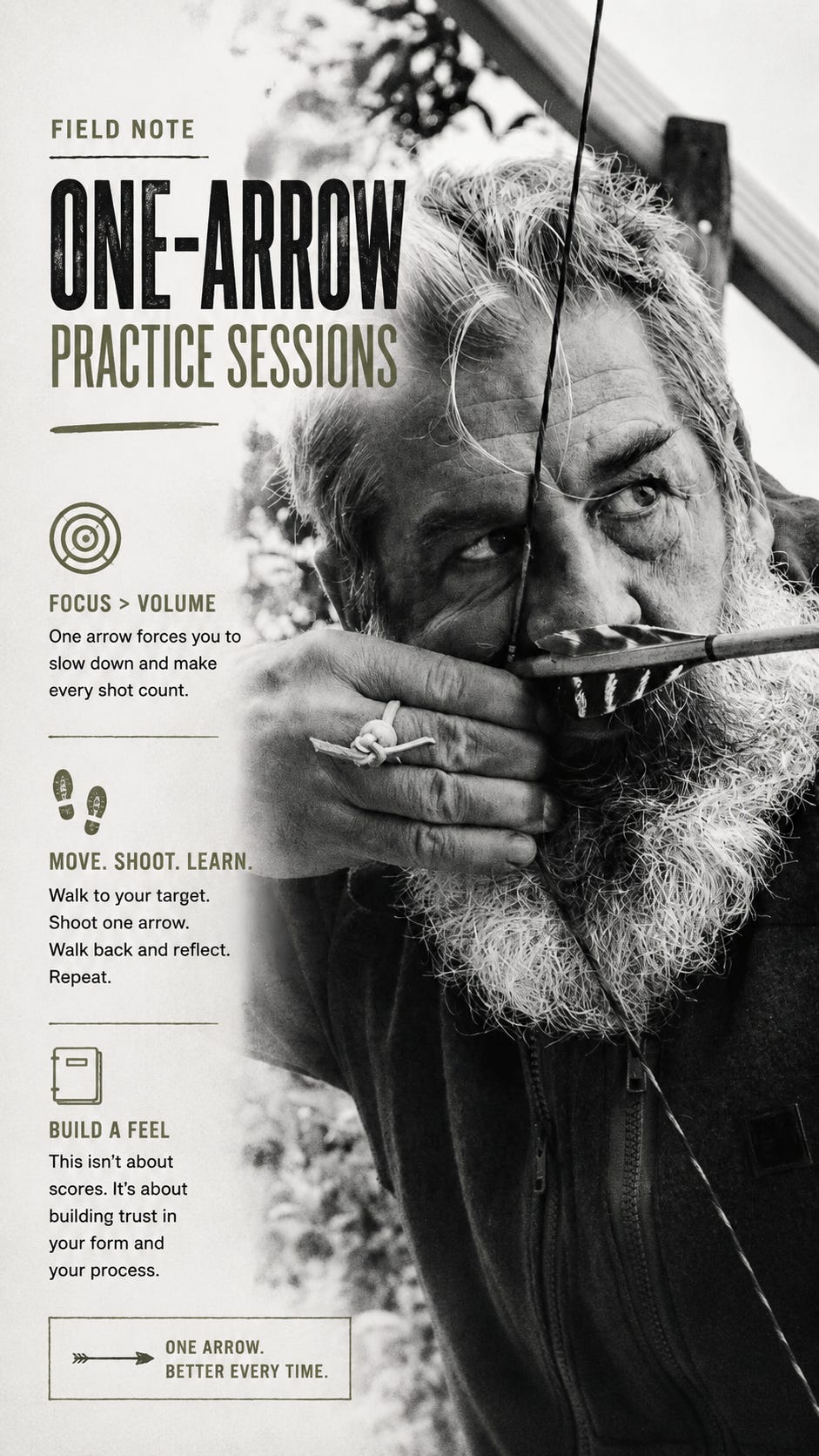
Shoot one arrow.
Then walk down and retrieve it.
Every shot stands on its own.
There is no immediate second chance. No rapid-fire adjustment. No opportunity to bury a poor shot beneath the next ten arrows. Every release carries a little more weight because it has to.
That changes how you approach the bow.
You become aware of your stance before you draw. You settle into your anchor instead of rushing toward it. You notice the pressure in your grip, the rhythm of your breathing, the quality of your focus. Small details that disappear during volume shooting suddenly become impossible to ignore.
The entire process slows down.
By the time you’ve walked to the target and back, you’ve had enough time to replay the shot honestly. What did it feel like? Did you execute the process you intended, or did you simply launch another arrow?
This isn’t how I’d recommend learning to shoot from the beginning. A new archer still needs enough repetition to build the movement patterns and muscle memory that eventually become instinctive.
But once your basic form lives in your muscles, there is tremendous value in reducing the number of arrows.
Not because fewer arrows are inherently better.
Because each arrow receives your complete attention.
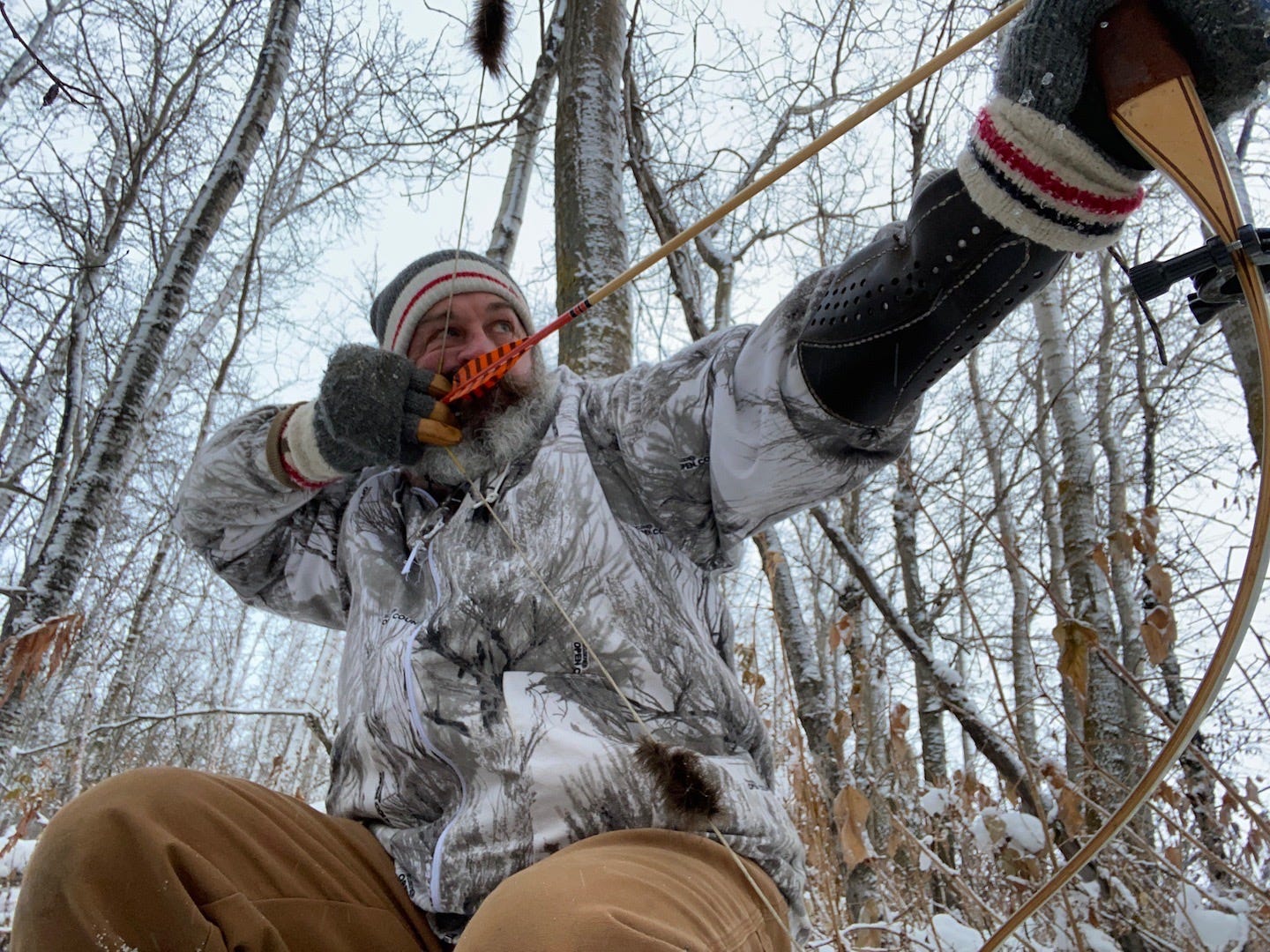
One of my favorite practice sessions is deciding before I begin that I’ll shoot only one arrow that day. Just one.
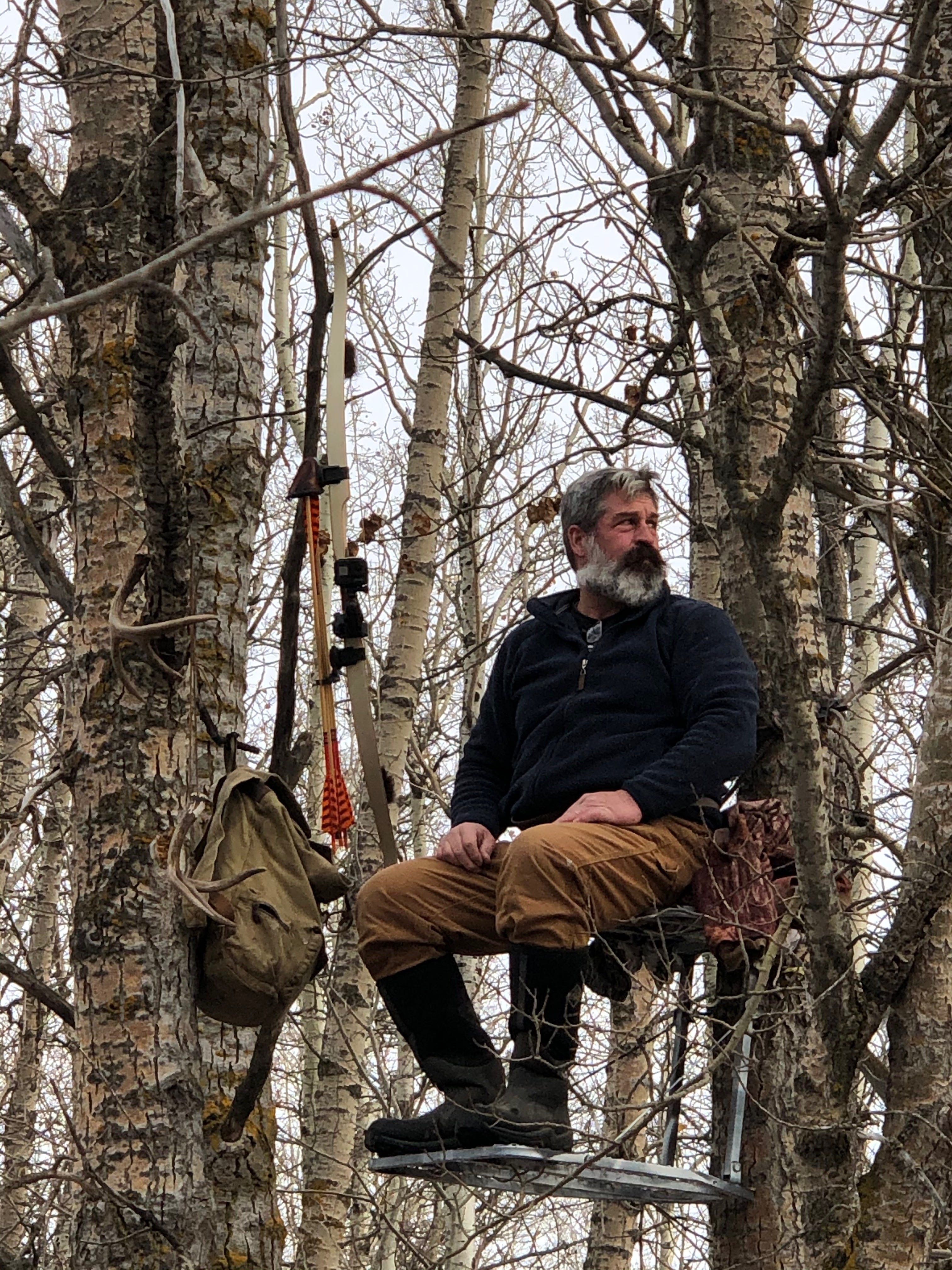
It sounds almost absurd until you’re standing 20 yards away from the target. Suddenly that single arrow feels much closer to the one you’ll eventually release from a treestand or while kneeling beside a game trail. You don’t get warm-up shots in the field. You don’t get a quick correction after the first release.
You get one opportunity.
Practicing this way changes your relationship with every shot.
Sometimes the fastest path to improvement isn’t increasing the number of repetitions.
It’s increasing the quality of each one.
And that lesson extends far beyond archery.
Many of the things worth mastering don’t require us to do more. They require us to pay closer attention.
After 5 decades of shooting a bow and arrow, I want to share some of the tips and tricks that I’ve used to become successful in the field.
if you find value here, please share and subscribe.
Another good source of information is, of course, the Food Afield Podcast. I hope you’ll follow along there too.
John
Valuable strategy. I will endeavor to start the first half of my practice season with one arrow and compare it to the second half of a season training with three or four arrows. Thank you for your insight. Very valuable.
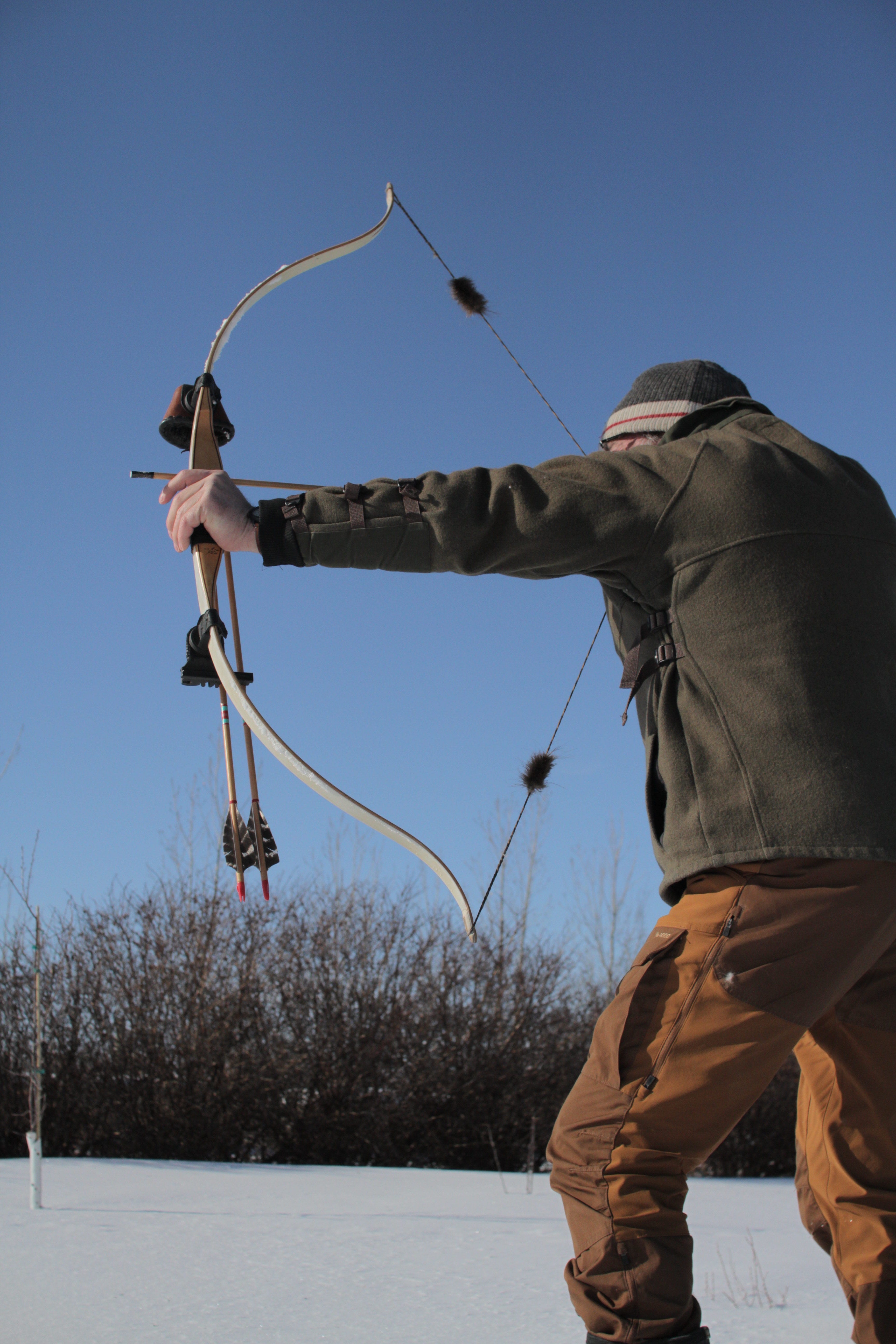
So, in one photo, you’re using 3 under. In the second photo, you’re using a split grip. Please explain. Are a zen master who can shoot either way? Inquiring minds have to know.
In other news, I’ve been shooting single arrows for a good part of the year. At times I’ll shoot multiple, if I try to focus on part of the release for example vs accuracy.