
Journal - The Shellfish Can Wait
Somewhere along the way, I stopped searching for shellfish and started reading the shoreline.

There was a time when I walked a beach with a destination in mind.
I covered ground quickly, eyes fixed on the places where I hoped to find clams or crabs, convinced that success belonged to the person willing to search the hardest. If a beach didn’t produce something within a few minutes, I simply kept moving, certain that the next cove might hold the answer.
It wasn’t impatience so much as purpose.
I thought I was there to gather food.
Somewhere over the years, without really noticing, that changed.
"I don't need to read another book. I need to read the landscape."
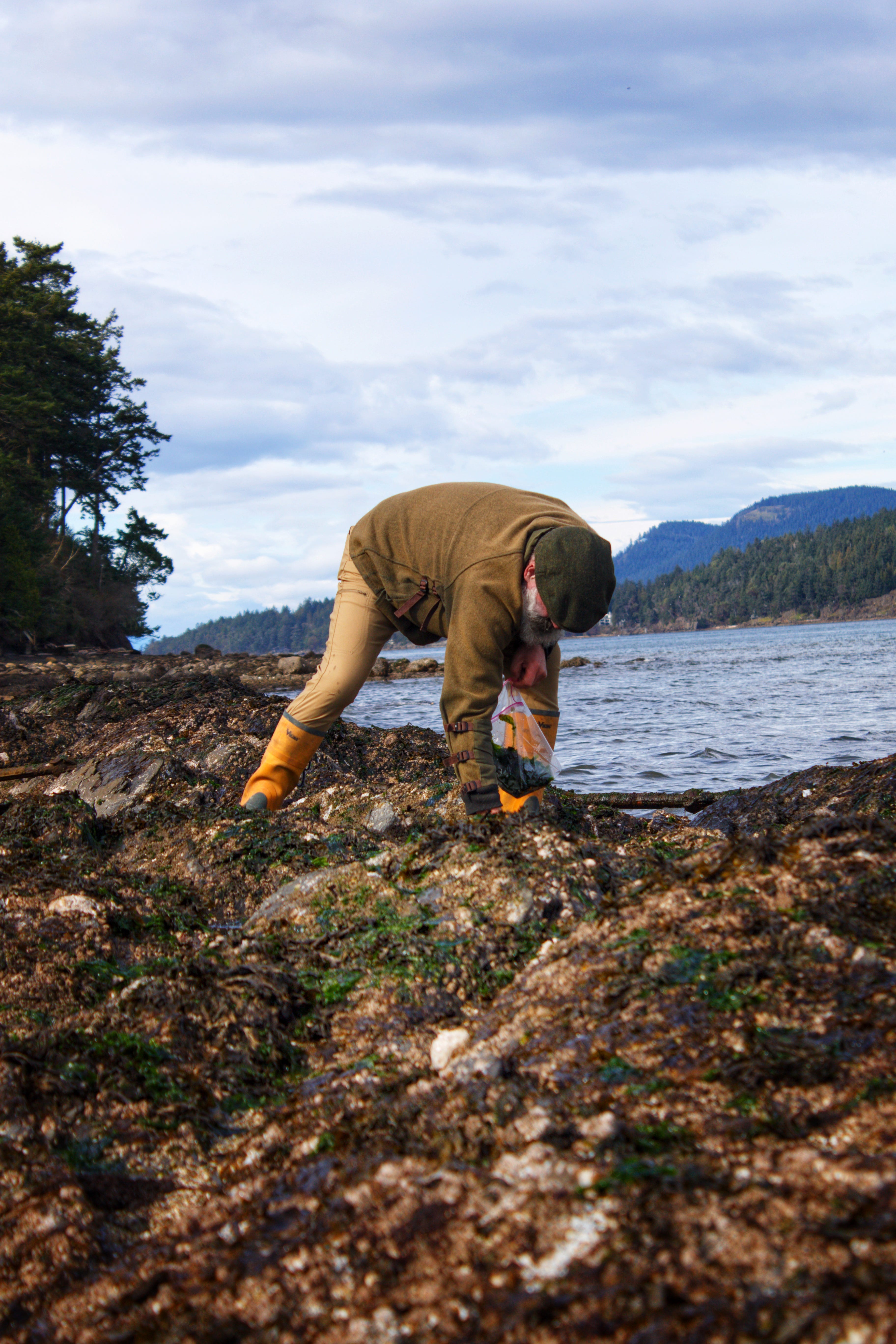
Now I often spend the first ten minutes doing almost nothing at all. I stand quietly, watching the tide slide over the sand. I notice where the wrack line has settled after the last high water. I look at the rocks before I look at the beach. I wonder why oysters have claimed one shoreline while another, only a hundred metres away, remains bare. Small things that once seemed like background have become the very reason I came.
The shellfish can wait.
In times past, I would actually get anxious around wild food “success”. Where are the harvestable mussels? The oysters? The Lingcod? I must find them! The only thing that seemed to matter was the outcome—the walk home with my arms heavy from the day's harvest. I was the emperor returning to Rome, convinced that the trophies mattered more than the journey that produced them.
I have changed.
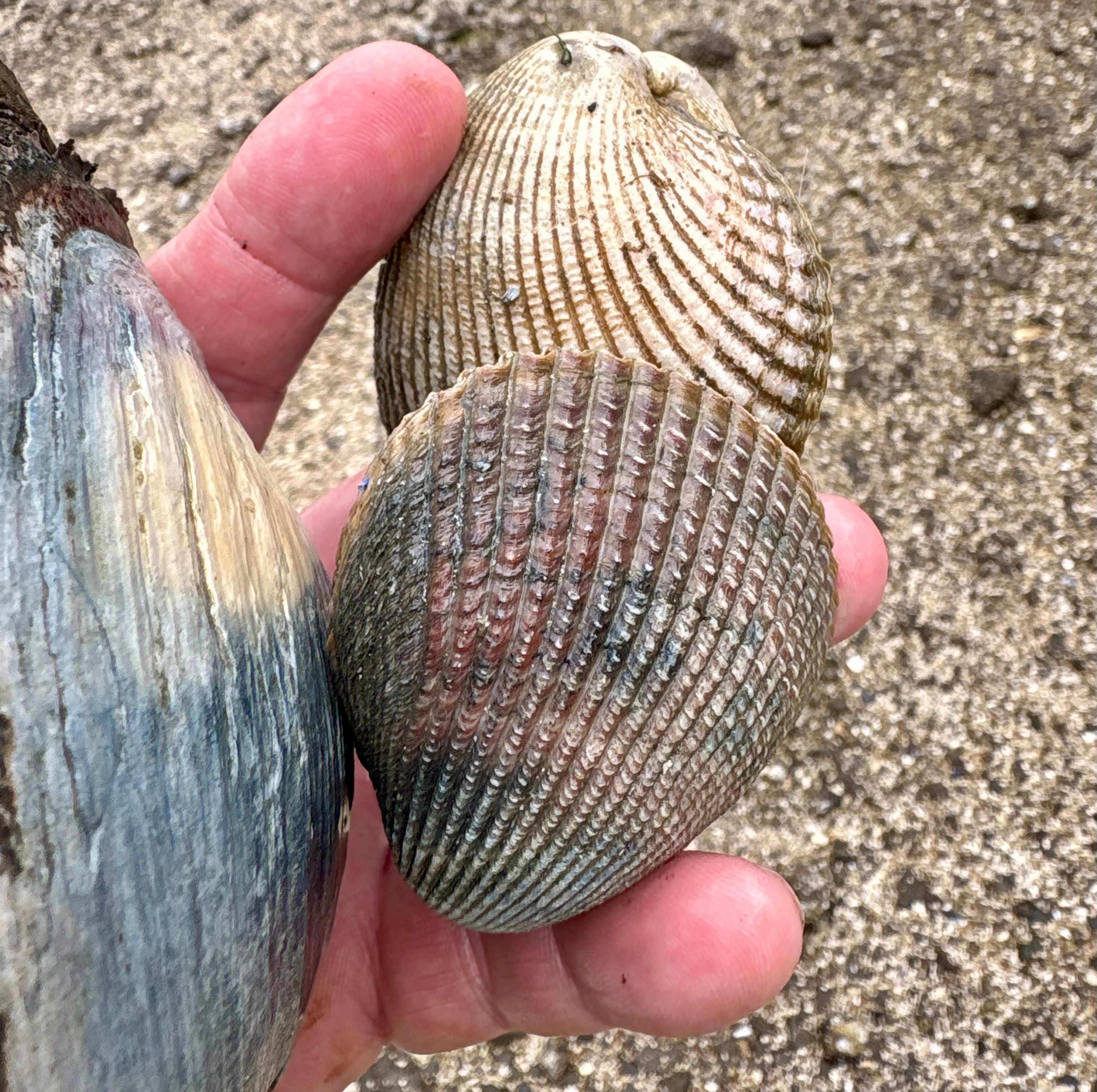
Now I search for relationships instead of shellfish. Oysters cling to rocky shores for a reason. Manila clams seem happiest where broad sand flats lie beside oyster-covered rocks. Butter clams favour different ground than cockles, but I often find them nearby to each other. Gravel gives way to sand, shell fragments gather where currents slow, and each change tells me something about what might be living beneath my feet. None of these things exists in isolation. The shoreline is a web of connections, and the longer I stand still, the more those relationships begin to reveal themselves.
I don't need to read another book. I need to read the landscape.
I’ve also found myself looking for my own place within the landscape. Not as someone passing through, intent on taking something home, but as another living creature trying, if only briefly, to belong there myself. Where can I sit quietly? Where does the wind carry the scent of salt and cedar? What happens if I stop trying to make something happen and simply pay attention?
Whether I return with a bucket of shellfish has become almost secondary. What stays with me now is a deeper understanding of the place itself. Every beach has its own character, its own rhythms, its own quiet logic. Learning to recognize those has become far more satisfying than simply walking home with dinner.
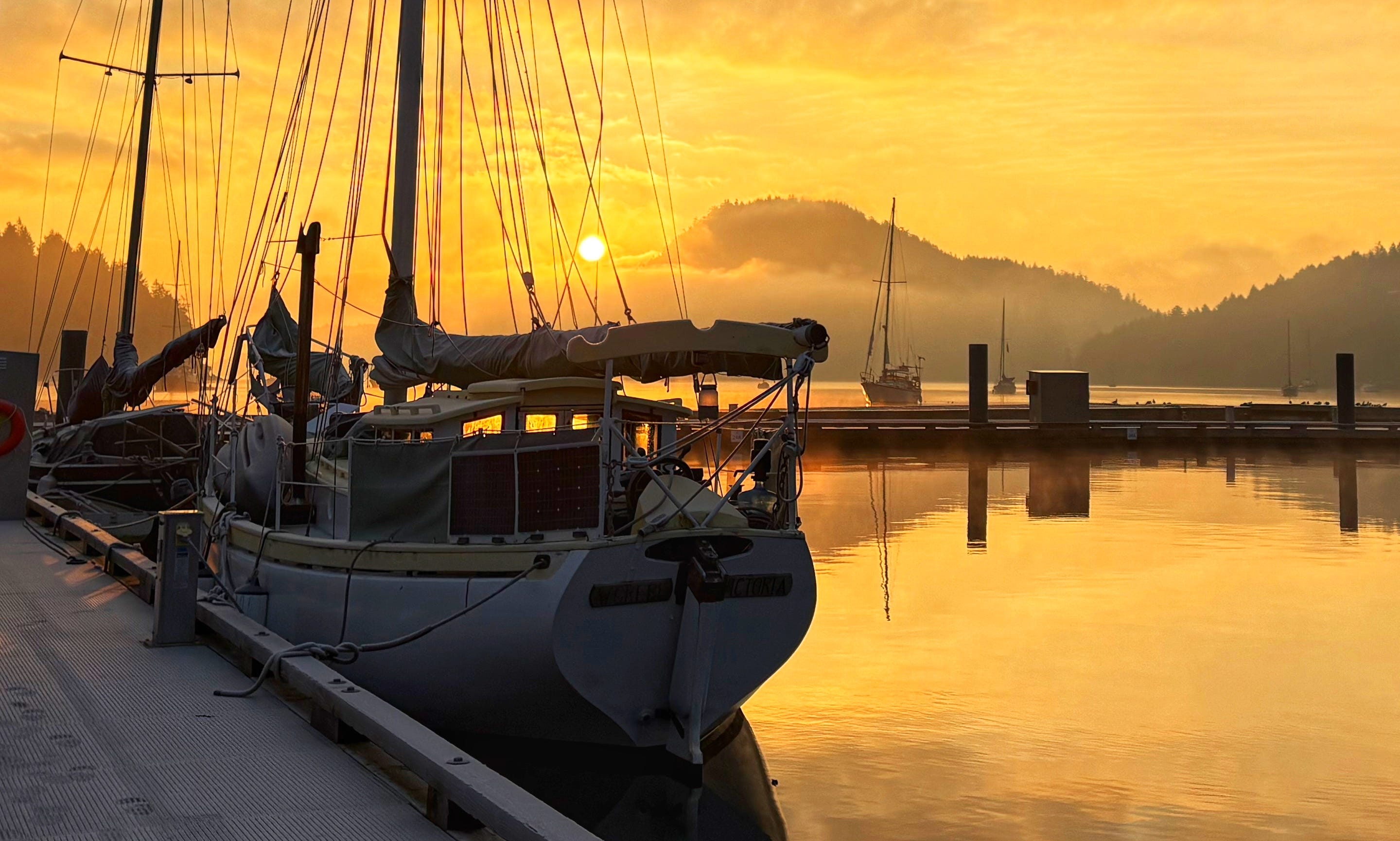
Perhaps that's what the coast, and W. Grebe, has been trying to teach me all along. Wild food was never just something to gather. It was an invitation to slow down, to ask better questions, enjoy the journey, and to learn the language of a place that had been speaking long before I arrived.
Amen to that.