
Journal - I Hunt Landscapes
Long before I look for an animal, I'm studying the terrain that makes its life possible.

There is a curious thing that has happened to me over the years. The longer I’ve hunted, the less time I’ve actually spent looking for the animals. Coincidentally, my success has also increased.
That sounds almost ridiculous when I see it written on the page, rather like admitting that a fisherman doesn’t spend much time looking for fish. Yet somewhere along the way my attention drifted away from antlers and ears and movement, settling instead on the country itself. These days, if you were to peer over my shoulder during the weeks before hunting season, you wouldn’t find me studying photographs of trophy bucks. You’d find me staring at topographic maps and satellite imagery with the same quiet concentration that a chess player gives a difficult position.
“Understand the conditions, and the outcome becomes increasingly probable. Ignore them, and success feels indistinguishable from luck.”
I’ve learned that the landscape almost always gives away the answer long before an animal ever does.
Aerial photographs have become one of my favourite forms of reading. I can lose an evening tracing creek bottoms, studying marshes, following the soft folds of ridges across a valley and wondering why one patch of timber feels alive while another seems strangely empty. To someone else it probably looks like little more than a green and brown jigsaw puzzle. To me it has become a story whose plot reveals itself slowly, one contour line at a time.
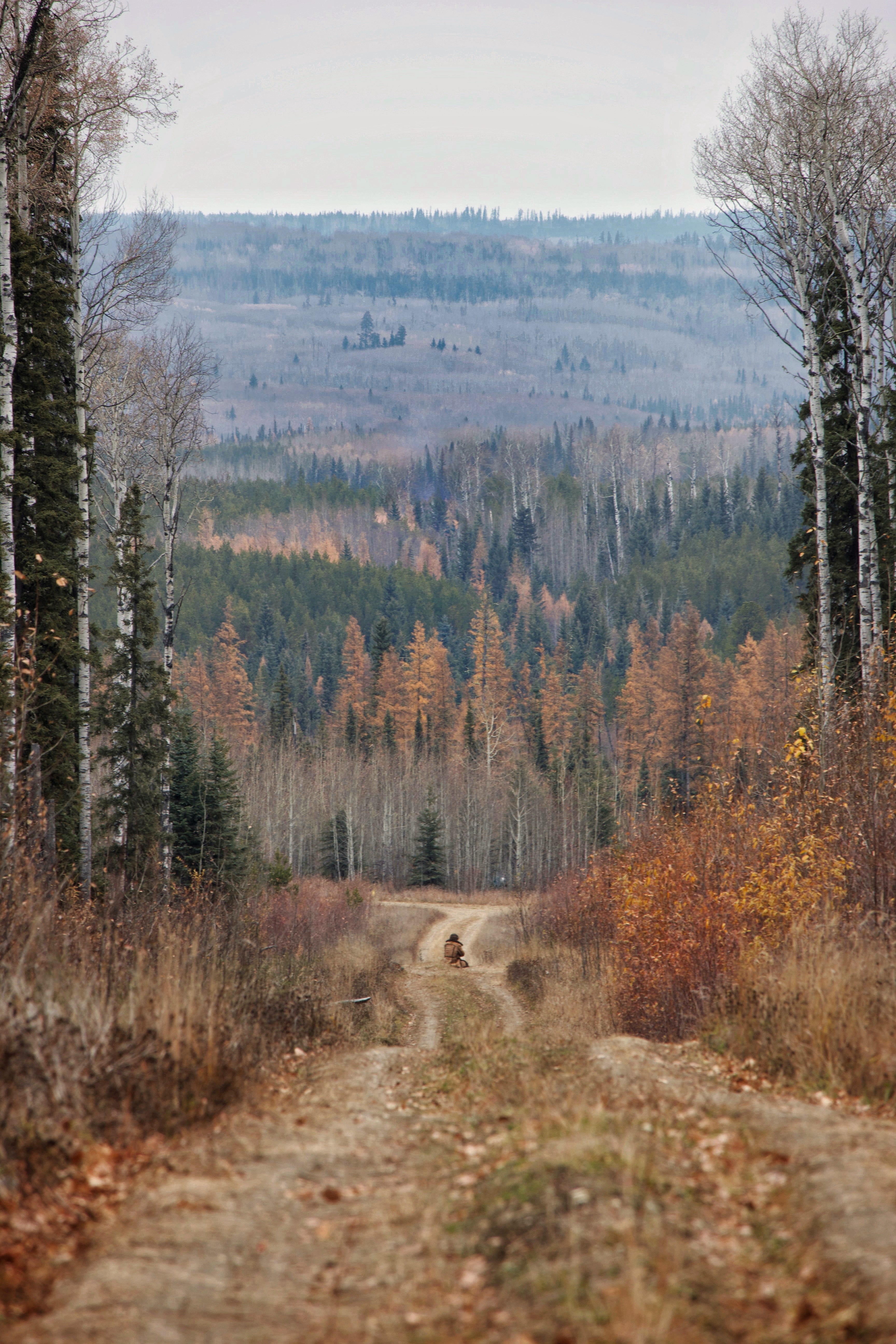
I begin with security because every wild creature wakes each morning with the same objective: survive until tomorrow. A mature doe doesn’t choose a bedding area because it offers a pleasant view. She chooses it because the landscape itself becomes an ally. Thick wetlands, steep draws, tangled willow bottoms and patches of timber bordered by open country all reduce the number of directions from which danger can approach. If I can identify those places on a map, I have taken the first step toward understanding where she lives.
Only then do I begin looking for food. Agricultural fields, grassy meadows, willow flats, fresh clearcuts—whatever the season happens to provide. The groceries are usually the easy part. The interesting question is how an animal travels between the pantry and the bedroom without advertising its intentions to every predator in the valley.
That is where the landscape begins to whisper.
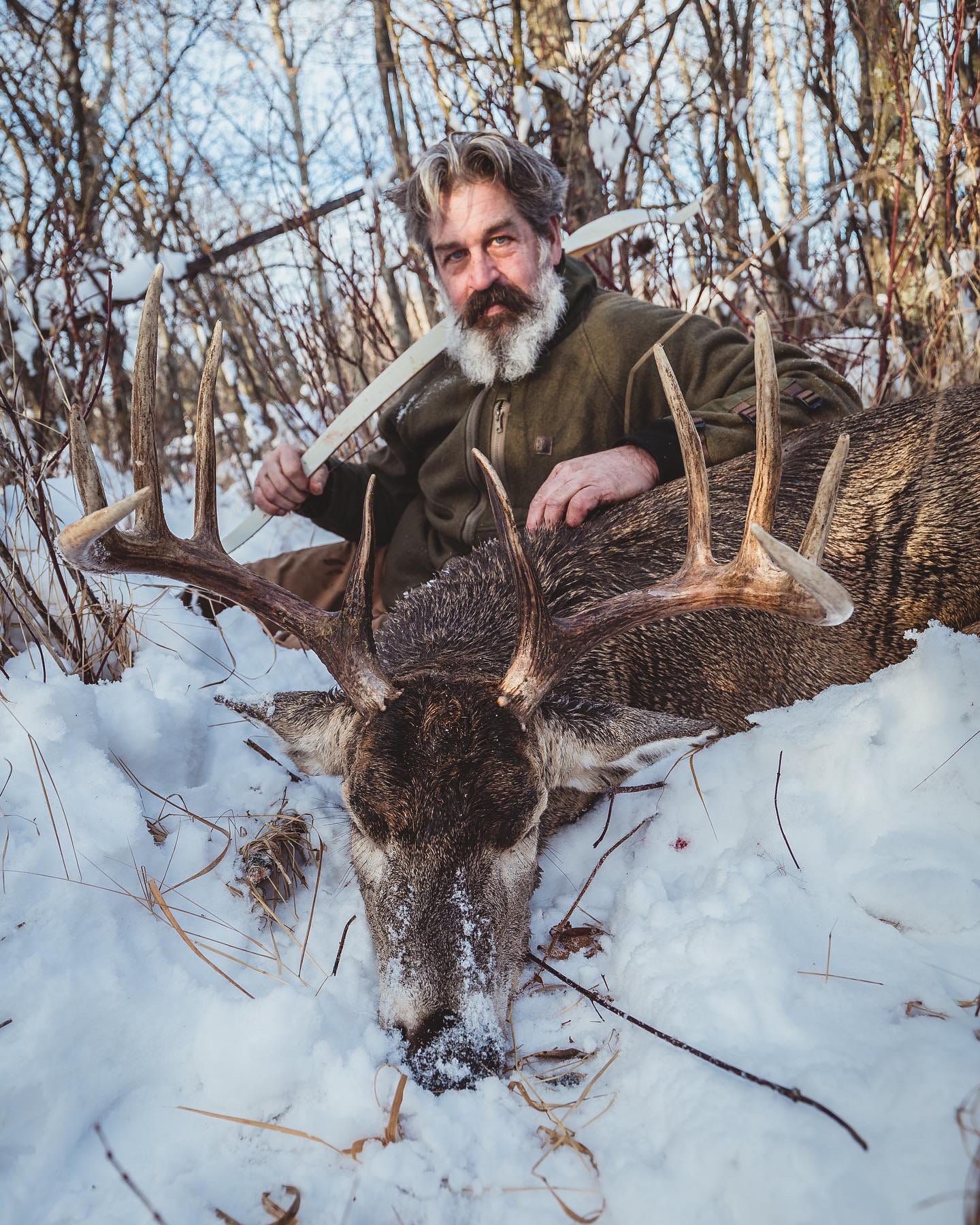
A narrow timber finger reaching toward a field. A shallow saddle joining two ridges. A brushy creek bottom winding through open country. They are the sort of details most people glance over without a second thought, yet they remind me of hallways in an old house. Animals seldom move at random. Given enough years, they discover the routes that require the least effort while exposing them to the least danger, and they use those routes with remarkable consistency. I don’t need to know where a deer is standing this afternoon. I need only understand where it makes sense for one to walk.
By the time I shoulder a pack and leave the truck, I’ve already built a working theory of the country. The hunt, at least in my mind, has been underway for days. I know where I believe the does will bed. I know where I expect them to feed. I know the corridors that ought to connect those places, and I know how the prevailing wind will influence where I can sit without announcing my arrival like an uninvited dinner guest.
People often ask whether I’m hunting a particular buck.
The honest answer is no.
I’m hunting does.
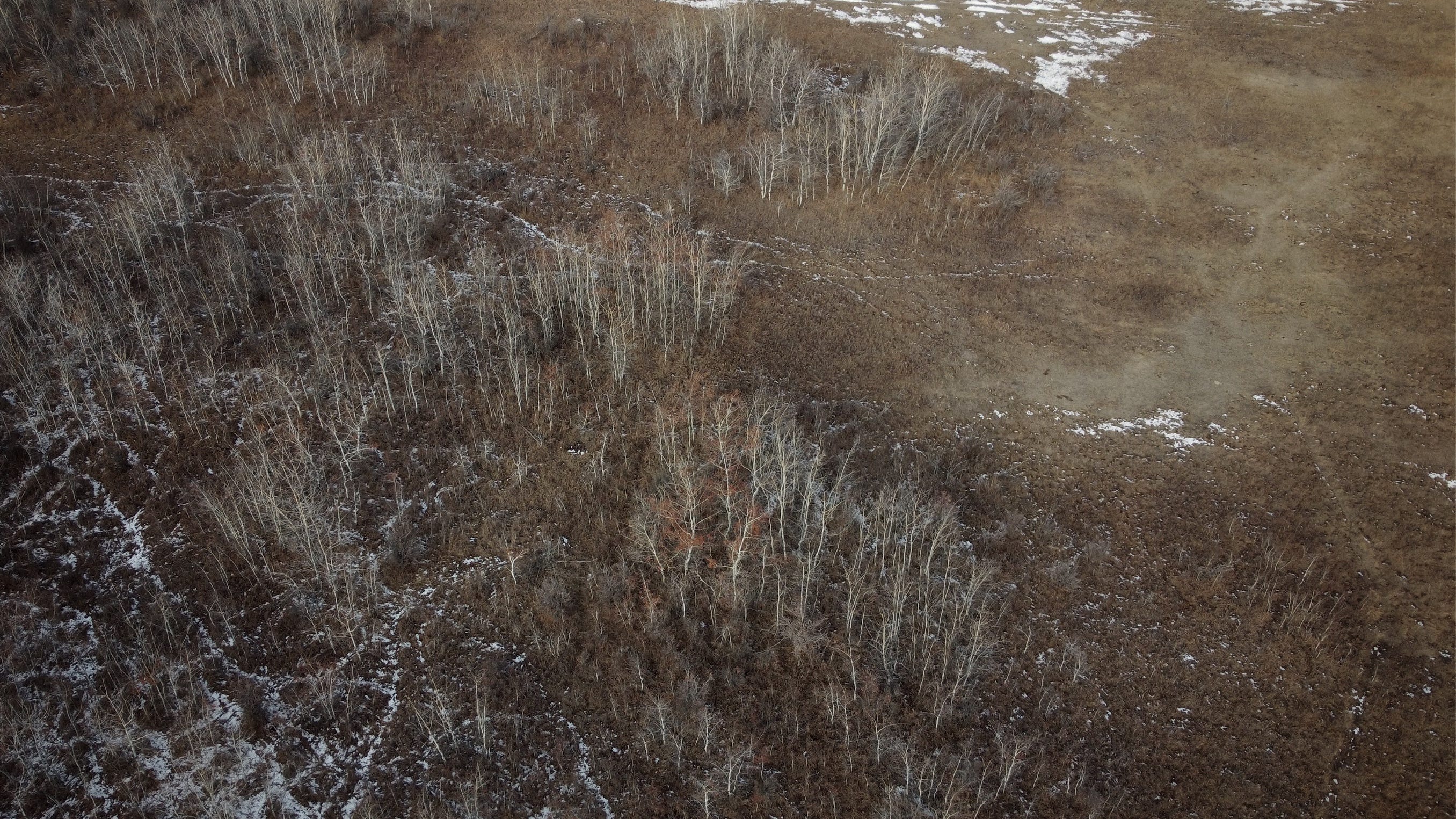
That statement usually earns a puzzled look until I explain myself. Does are the constant. They are the foundation upon which everything else is built. Find the places where they feel secure and feed comfortably, and sooner or later the bucks will have compelling reasons to visit. The same is true of elk. Magnificent bulls may dominate magazine covers, but cows explain the landscape.
One habit has become almost ritual. I never begin by walking directly into the place I believe is best. Instead, I start on the edges, collecting information the way a naturalist fills a notebook. Fresh tracks. A newly used trail. Droppings that weren’t there yesterday. Beds tucked into the grass precisely where I imagined they might be. Every observation either strengthens my theory or quietly dismantles it, and I adjust accordingly. After a day or two I work farther inward, allowing the country to correct my assumptions before I commit myself. The more I intrude with my scent and sign, the more likely it is that the animals will adjust their behaviour.
That process has become one of my greatest pleasures afield. Having a huge buck walk down the trail to my stand, exactly where I predicted it would, provides a satisfaction that is difficult to describe. It isn’t triumph so much as confirmation, rather like solving the final clue in a crossword after an hour of patient thought. The animal is certainly part of the reward, but so is the realization that, for a brief moment, I managed to read the landscape correctly.
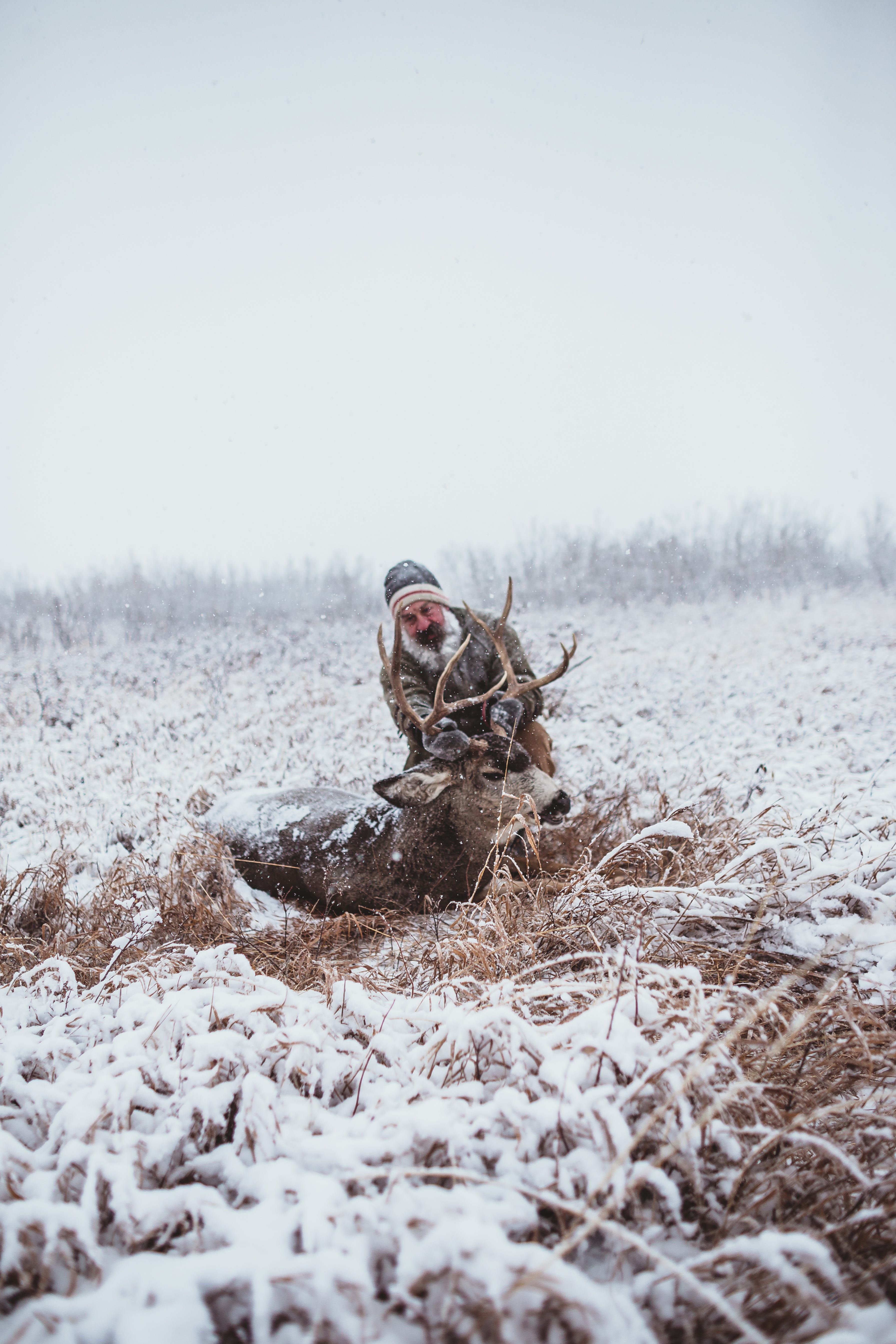
I’ve come to suspect that this way of thinking extends well beyond hunting. We are encouraged to chase outcomes in almost every corner of modern life, yet the natural world has taught me that outcomes are poor things to pursue directly. Conditions matter more. Understand the conditions, and the outcome becomes increasingly probable. Ignore them, and success feels indistinguishable from luck.
Perhaps that’s why I find myself slowing down a little more with each passing year. I’m less interested in covering another mile than I am in understanding the mile beneath my boots. The landscape has become less like a backdrop and more like a conversation. It speaks in contours, prevailing winds, browse lines and forgotten game trails, and if I’m patient enough to listen, it usually tells me exactly where to look.
The deer, I’ve discovered, are almost beside the point.
The real hunt has always been for understanding.
The line about letting the country correct your assumptions is the one I'd underline twice. You frame the reward as confirmation, the theory proven right, but I think the deeper skill hiding in here is the opposite of prediction. It's the willingness to be wrong and let the ground say so. The hunter who reads a landscape well is usually the one assuming the least, quiet enough to hear the country talk him out of his own plan. I come at the same terrain from behind bird dogs, which is really just a second way of reading it, the dog working the scent in real time the way you work the topo map in the weeks before. Different instrument, same conversation. And you're right that it's a conversation. Most people never realize the land was talking the whole time. I thoroughly enjoyed reading this piece. Nice work.